Gen Z and luxury: what new consumers really desire
Generation Z will represent a major share of the luxury market by 2030. Yet, brands are overlooking a reality that only a thorough qualitative study can capture.
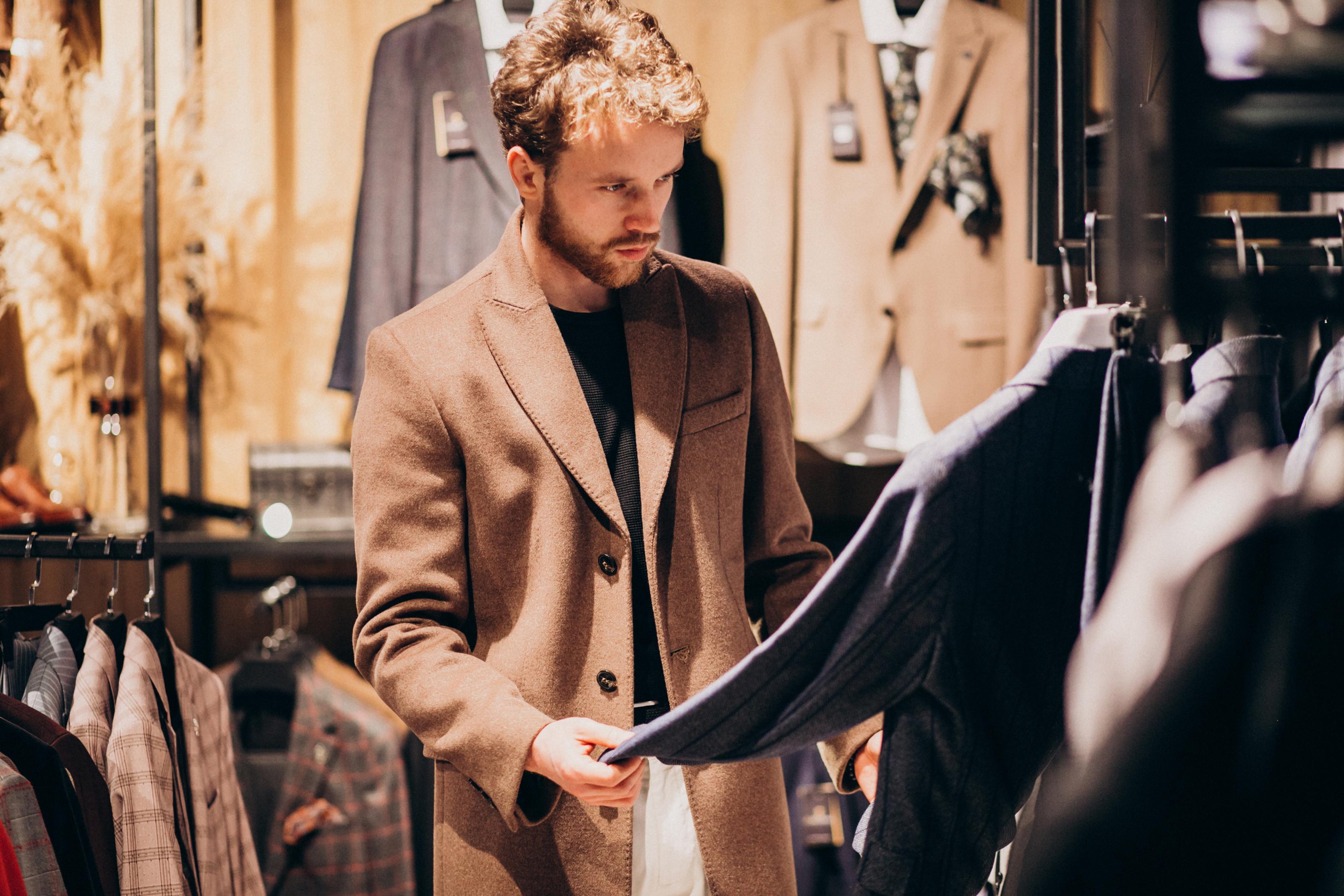
Generation Z will represent a major share of the luxury market by 2030. Yet, brands still relying on logos and a massive presence on social media are overlooking a reality that only an in-depth qualitative study can capture: this generation has rewritten the rules of desirability. Download the full report to access all results.
"Quiet luxury" is not a trend it's a paradigm shift
For a long time, industry professionals have discussed quiet luxury as a passing fashion phenomenon. The insights gathered from young French consumers aged 18-30 who are passionate about fashion and design tell a very different story: this movement is structural, not cyclical.
What Gen Z rejects is not luxury itself, but the staging of luxury. The ostentatious monogram, the logo worn as a social status signal, and purchases motivated solely by the gaze of others are perceived in the verbatims as a form of regression. "I'm not a billboard," summarizes one respondent. This statement, direct as it may be, condenses a profound transformation: exclusivity is no longer displayed, it is recognized. It does not flaunt itself to the masses; it is shared among peers.
For brands, the stakes are high. Houses that embody this intentional discretion through masterful tailoring, meticulous attention to materials, and impeccable finishes benefit from a spontaneous and lasting desire. Those persisting with a logo-first logic risk losing this generation entirely beyond their initial entry-level purchase.
Quality and durability: proof through the sense of touch
Conducting a qualitative study on these consumers reveals an unexpected vocabulary when discussing luxury. It is not about the names of the houses or the prices, but rather tactile and technical signals: "the drape of the fabric," "the thickness of the leather," and "the absence of loose threads." Quality has become the only proof of legitimacy that this generation accepts.
In the quantitative data, this finding is clearly confirmed: quality ranks first among purchasing criteria at 71%, ahead of aesthetics (62%) and craftsmanship (45%). Logo and reputation are no longer sufficient to justify a price tag. What justifies a price is the tangible reality of an object that lasts, can be repaired, and can be passed down. The luxury purchase is reinvented as a heritage act: an object that gains value because it truly deserves to.
This expectation opens up a concrete strategic avenue for brands: making quality visible and verifiable. This includes the origin of raw materials, hours of manufacture, and the name of the artisan everything that anchors the product in the reality of craftsmanship rather than a marketing promise.
Digital amplifies desirability… or destroys it
This is one of the richest tensions that qualitative analysis highlights. Gen Z is digitally native, but they know better than anyone when a brand is using digital poorly.
An omnipresence on TikTok is experienced as direct vulgarization of the brand. TikTok is cited as the channel that "kills" prestige most effectively not because it is inherently bad, but because it is algorithmic, mechanical, and repetitive. "When you see the same bag twenty times a day on your feed, your eyes get used to it and the desire diminishes." Instagram can still work, provided the content remains rare and highly curated.
What emerges from the interviews is a strong demand for exclusive content: workshop backstories accessible only to clients, non-promotional newsletters, and invitation-only events. Scarcity of access to information generates just as much desire as the scarcity of the product itself.
View the report with all the results.
The physical store: the only space where the promise holds true
In what appears to be a paradox but stems from a perfectly coherent internal logic, 53% of buying respondents prefer in-store purchases, compared to only 31% online. For a hyper-connected generation, this is a result worth noting.
The online shopping experience is often described as "impoverished," citing disappointing leather quality upon receipt, automated customer service, and a loss of the shopping ritual. The flagship store, however, is perceived as the only space where the luxury promise can be upheld from start to finish: the human welcome, the feel of the material, the atmosphere, and the packaging. This is not nostalgia; it is a demand for a total experience that digital platforms cannot yet deliver.
What these insights mean for your strategy
A qualitative study on Gen Z and luxury does not just produce trends to follow; it uncovers weak signals to be transformed into competitive advantages. Brands that understand today that tomorrow’s exclusivity will be "underground" recognized by insiders rather than displayed to all hold a decisive head start.
The six takeaways from this analysis, ranging from the rejection of ostentation to rarity as a vital prerequisite condition for desirability, outline a new set of specifications for the marketing, retail, and communication teams of luxury houses.
To access the full results, complete verbatim statements, and operational recommendations by commandment, download the report "The 6 Commandments of New Luxury."
Episto is an AI-powered research platform that combines quantitative studies with qualitative interviews conducted by AI. This study was conducted in March 2026 among 179 respondents aged 18 to 30 in France, featuring an in-depth qualitative component involving 51 participants.
Read next

Articles
Gen Z & Alcohol: Why your consumer insights struggle to decode this generation's new sobriety
Discover the blind spots preventing the beverage industry from anticipating the non-alcoholic shift, along with an analysis of the market's new potential.

Articles
Does brand commitment impact French food consumption?
Between responsible purchases and massive boycotts, consumers are making ruthless choices: brands must prove they earn their place in the cart.