Gen Z & Alcohol: Why your consumer insights struggle to decode this generation's new sobriety
Discover the blind spots preventing the beverage industry from anticipating the non-alcoholic shift, along with an analysis of the market's new potential.
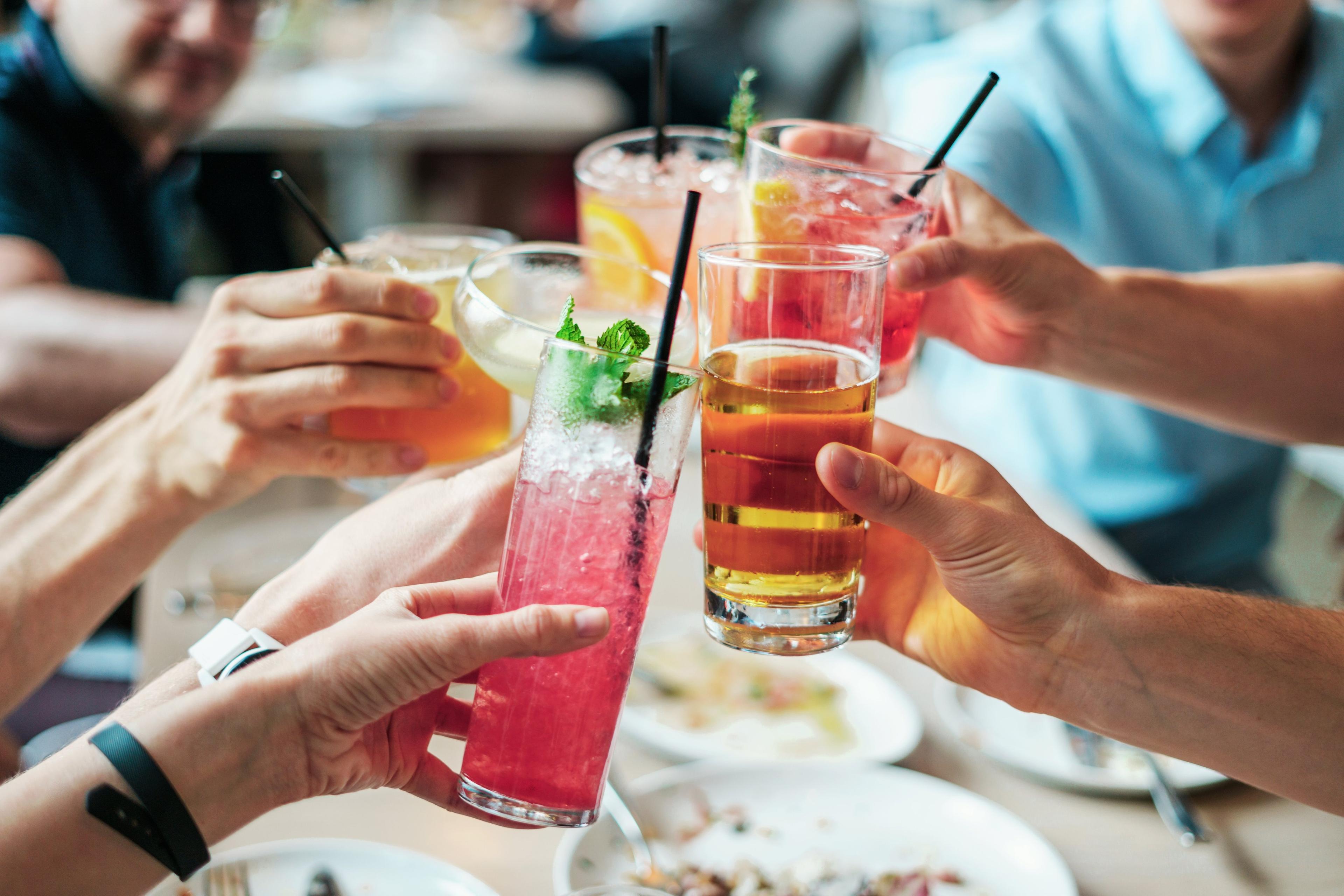
Gen Z is making different choices that shake up the certainties of the alcoholic beverage industry. A massive share of 18-30 year-olds is rejecting systematic drinking, turning chosen sobriety into a powerful marker of social distinction. Brands now have every interest in driving their innovations through hybrid methodologies to capture enriched, authentic data.
1. Gen Z no longer systematically consumes alcohol
The decline in volumes across historical categories is not a temporary budgetary adjustment. The numbers prove it: more than a quarter of 18-30 year-olds state they never drink alcohol. This trend is accelerating spectacularly among the youngest: nearly 37% of 18-24 year-olds abstain from drinking. Sobriety has established itself as an assumed lifestyle choice, far from the past imagery of deprivation or medical constraint.
This shift primarily targets traditional spirits and strong liquors consumed neat. Young adults increasingly associate these products with a loss of control, physical excess, and behaviors perceived as degrading. The quest for self-control, both in real life and online, is redefining expectations and driving this generation toward alternative beverage options.
"I feel like my generation has more control over it than the previous one," says a respondent.
This disruption hits manufacturers accustomed to gradual rollouts head-on. Offering a simple "alcohol-free" version of an existing brand is no longer enough to convince these young buyers. This demographic demands genuine new concepts(which we discuss in detail here), capable of competing in terms of aromatic complexity and status enhancement, without borrowing the vocabulary of intoxication.
2. The limits of traditional methodologies
Traditional research methods persist in surveying respondents enrolled in panels who are over-accustomed to market research (40% of panelists are registered in 3 or more panels). These professionalized respondents tend to tailor their answers to avoid screening out at all costs, artificially smoothing over major sociological shifts.
Access to fresh respondents has become a strategic challenge, as it allows brands to better capture real behaviors. Reaching out to consumers where they naturally express themselves via social media ad campaigns removes the filter of habit. This social sampling methodology guarantees greater authenticity, since the absence of financial compensation attracts highly targeted, non-professional profiles that are often impossible to find on traditional panels.
Marketing departments face growing uncertainties because their usual tracking tools measure existing sales without capturing the underlying motivations for non-purchase. Understanding exactly why a young adult actively chooses to avoid alcohol requires engaging them through a familiar medium and a methodology that allows them to speak freely. We analyze these new behaviors in detail in our exclusive report: The 7 truths about Gen Z & alcohol.
3. From statistics to nuance through conversation
Simply quantifying usage does not allow brands to design the beverage of tomorrow. Knowing that taste stands out as the primary choice criterion for an overwhelming majority of this generation is a helpful indicator, but it is not enough to guide R&D labs. The real challenge lies in understanding what "taste" actually means to them: for example, a quest for freshness, a rejection of bitterness, or a demand for natural ingredients. Quantitative questionnaires fail to map these complex semantic nuances.
Swapping static forms for an AI conversational module allows for a fluid, natural dialogue where respondents can reveal their perceptions, psychological triggers, and behavioral logic. Moreover, this conversational format is far more likely to gather authentic testimonials; verbatims collected through these chat-based questionnaires show an 84% increase in length compared to traditional surveys.
This technology combines the volume and speed of quantitative studies with the depth of qualitative approaches within a single interface. Automated analysis of these conversations highlights micro-trends, such as the massive popularity of fruity or floral aromatic profiles. Brands can access a clear synthesis of these interviews in record time, bypassing lengthy manual processing.
4. The paradox of celebration and control
Analyzing socialization rituals reveals a constant tension among 18-30 year-olds. Alcohol retains its role as a social lubricant for half of the respondents, who use it to overcome shyness during social gatherings.
One respondent shares: "It helps you fit in better. I feel like I'm better socially after a few drinks, and I have more energy."
The need to fit into a group remains strong, creating a diffuse yet very real social pressure for those who choose sobriety, who sometimes face disparaging remarks from peers (53% state that social pressure persists).
This desire for integration collides directly with a culture of control regarding spending and health. More than half of drinkers have a dedicated weekly budget for alcoholic beverages of less than ten euros. They also refuse to endure next-day side effects, prioritizing productivity and maintaining their personal image.
Brands must integrate these considerations to build tailored product lines. Designing alternatives that offer the same inclusive experience and the same premium design as an alcoholic cocktail without the downsides is one of the industry's biggest growth levers. The goal is no longer to replace alcohol, but to legitimize sobriety within the collective party experience.
5. A roadmap for future market leaders
The current non-alcoholic offering triggers widespread disappointment among young consumers. Critiques consistently point to products that are deemed too sweet, lacking in originality, and sold at unjustified price points. Current alternatives seem to lack maturity, leaving a massive competitive void for players capable of disrupting established norms.
Major opportunities revolve around three key axes identified by analyzing actual market expectations. The sophisticated naturalness segment demands healthy, complex formulations. For example, the French brand Jardins bypasses the traditional dealcoholization process to blend verjuice with infusions of local plants, offering bitterness with no added sugar. The experiential axis—essential for justifying premium pricing—can leverage packaging inspired by haute parfumerie. The brand JNPR, for instance, uses heavy glass bottles and copper caps to blend seamlessly into premium bar displays. Finally, while dealcoholized versions of famous spirits still drive high volumes, total emancipation from existing categories opens the door to entirely new drinking rituals. In Canada, Proxies rejects the "non-alcoholic wine" label altogether to offer complex blends of single-origin teas and spices.
Winning this market share battle requires aligning strategic decisions with real-world insights. Anticipating these shifts and relying on rich data allows legacy players to consolidate their leadership. To stay ahead of these transformations and adapt your product launches, download our exclusive survey report.
Discover also our article in LSA Conso.
Next to read

Articles
Gen Z and luxury: what new consumers really desire
Generation Z will represent a major share of the luxury market by 2030. Yet, brands are overlooking a reality that only a thorough qualitative study can capture.

Articles
Does brand commitment impact French food consumption?
Between responsible purchases and massive boycotts, consumers are making ruthless choices: brands must prove they earn their place in the cart.